fire mage sod guide

Fire Mages in Season of Discovery shine as the pinnacle of DPS‚ delivering insane damage while offering crowd‑control and utility. Their blazing spells‚ combined with powerful runes and talent synergies‚ make them a top choice for raid and dungeon encounters. Their mastery turns battles into glory!

Overview of Fire Mage DPS Potential

Fire Mages in Season of Discovery are celebrated for their DPS. The new rune system lets them keep a damage stream‚ surpassing other specs. With Pyroblast‚ Fireball‚ and Flamestrike‚ plus DoTs‚ they apply pressure. The talent tree rewards critical strike and mastery‚ boosting burst. Runes and talents work together to raise damage per second‚ making Fire Mages a force in raids and dungeons. Proper gear and consumables push damage ceilings beyond other classes. Cooldowns like Combustion and Living Bomb add burst that can swing fights. Timing rune use and talent choice is key to consistent‚ explosive output.

The Fire Rune increases Fire spell damage‚ while the Frost Rune offers damage reduction‚ letting Mages survive longer. The talent Ignite creates a cascading effect that maximizes damage in critical windows. Conflagrate allows instant Fireball casts for quick bursts during damage phases. These tools let Mages adapt to various mechanics‚ from high‑mobility enemies to large target groups. Raid leaders rely on Fire Mages for the majority of boss damage‚ when paired with raid crowd‑control. Arcane Power temporarily boosts spell power‚ and Living Bomb’s cooldown creates spikes. Pyroblast’s cooldown is cut by Ignite‚ enabling frequent use of the single‑target spell. In final boss phases‚ a single Pyroblast can eliminate a boss or critical minion. The design encourages maximizing spell power‚ critical strike‚ and mastery while strategically using runes and cooldowns to keep a high DPS curve throughout the fight and fire!!

Phase 4 Core Build Overview

Phase 4 Fire Mages use the new rune system and talent synergy. Core build focuses on spell power‚ crit‚ and mastery. Runes Fire and Frost are swapped for damage. Talents Ignite‚ Conflagrate‚ and Living Bomb give burst and sustain‚ delivering high DPS in all phases.!

Recommended Runes for Phase 4

In Phase 4‚ the rune system has been refined to support the Fire Mage’s high‑damage playstyle. The primary rune is the Fire Rune‚ which boosts spell power and increases the damage of Fire spells by 5% per stack. Players should aim for at least three stacks before casting major spells like Living Bomb or Conflagrate. The secondary rune‚ Frost Rune‚ is used to mitigate crowd control by providing a 10% chance to reduce the duration of stuns and slows. When the Frost Rune is active‚ it also grants a 2% increase to spell power‚ helping to offset the slower cooldowns of key abilities. The third rune‚ Arcane Rune‚ is optional but can be swapped in for a temporary burst of spell power during boss fights. It grants a 7% increase to spell power for 20 seconds‚ which is ideal for the final burst phase of a fight. A typical rune rotation in Phase 4 starts with stacking the Fire Rune‚ followed by activating the Frost Rune when a crowd‑control threat is imminent‚ and finally using the Arcane Rune for a short burst before the next major spell cast. This combination ensures maximum damage output while maintaining crowd‑control resilience. Players should also keep an eye on the Rune Mastery talent‚ which increases the effectiveness of all runes by 3% each‚ further amplifying the overall damage potential. By carefully managing these runes‚ Fire Mages can maintain a high DPS while staying flexible in dynamic combat scenarios. Mastery of rune timing‚ combined with optimal talent allocation‚ turns a Fire Mage into damage dealer‚ outpacing rivals in every fight.

Talent Tree Prioritization

Focus on maximizing damage: start with the Firestarter talent for instant fire damage‚ then invest in Pyroblast for cooldown reduction‚ followed by Flame Shock for sustained damage‚ and finish with the final talent‚ Fire Mastery‚ to increase overall spell power for raids. in dungeons.

Key Talents for Damage Maximization

the Fire Mage benefits from the talent “Ignite” at level 12 further enhances the damage of Pyroblast by adding a lingering burn‚ ensuring that even after the spell has cast‚ the target continues to suffer fire damage. the talent “Flame Shock” at level 18 provides a damage‑over‑time effect that synergizes with the burn from Pyroblast‚ stack that maximizes output during long! engagements. Go now!!!!!!!

Stat Priority for Fire Mages

Primary stats are Spell Power‚ Haste‚ and Critical Strike. Spell Power increases damage‚ Haste reduces cast time and cooldowns‚ and Critical Strike boosts hit chance. Secondary stats include Mastery for burn scaling and Versatility for survivability. Focus gear that maximizes these values.🔥🔥🔥🔥🔥🔥🔥🔥🔥

Primary and Secondary Stats Breakdown

Primary stats for Phase 4 Fire Mages are Spell Power‚ Haste‚ and Critical Strike. Spell Power scales fire spells‚ Haste slashes cast times and cooldowns‚ and Critical Strike boosts hit chance for 150% damage. Mastery enhances Burn damage‚ while Versatility gives a boost to damage and reduces damage taken.!

Rotation and Ability Usage

Fire Mages prioritize Combustion‚ Pyroblast‚ and Fireball‚ maintaining cooldowns and using Frostbolt as a filler. Keep Ignite active‚ stack Heat‚ and use Arcane Intellect for mana. Timing matters: cast Pyroblast on stacks‚ then follow with Fireball for burst damage.

Optimal Spell Sequence in Combat

After Combustion ends‚ reset your rotation by casting Fireball to rebuild Heat‚ then apply Ignite again. Keep the target on Ignite for the entire fight to benefit from the burn. If you have the Elemental Precision talent‚ your Fireball damage increases‚ so use it to finish off enemies. Remember to use the Firestarter talent’s bonus on the first Pyroblast after Combustion for an extra 20% damage. Also‚ keep your cooldowns—Arcane Intellect‚ Frostbolt‚ and Frost Nova—ready for mana management and crowd control. This disciplined approach ensures you never waste a second of the high‑damage window. Keep focus sharp!!!!

Best-in-Slot (BiS) Gear Set

Core BiS items include the Frostfire Gloves‚ Fireblade‚ and the legendary Firestorm Staff. Pair them with the Emberstone Circlet‚ Infernal Boots‚ and the Sunfire Bracers for maximum spell potency. Finish with the Crystal Ring the Pyroclast Amulet for crit. Flame Arc!

Core Gear Items to Acquire

For a Fire Mage in Season of Discovery‚ the best‑in‑slot (BiS) collection focuses on maximizing spell power‚ intellect‚ and critical strike. The top‑tier items are:

  • Frostfire Gloves – provide a boost to spell power and a small intellect bonus‚ essential for early raid rotations.
  • Fireblade – a sword that increases fire damage by 15% and grants a chance to cast Flame Shock on hit.
  • Firestorm Staff – the flagship staff‚ offering a 20% increase to all fire spells and a passive cooldown reduction on Fireball.
  • Emberstone Circlet – a headpiece that adds 10 intellect and a 5% critical strike chance‚ perfect for burst phases.
  • Infernal Boots – boots that increase haste by 8% and reduce the casting time of Pyroblast by 0.3 seconds.
  • Sunfire Bracers – bracers that add 12 spell power and a 3% chance to ignite enemies on hit.
  • Crystal Ring – a ring that grants 5 intellect and a 2% chance to cast Arcane Intellect on kill.
  • Pyroclast Amulet – an amulet that increases critical strike rating by 20 and provides a 4% chance to reduce enemy fire resistance.
  • Flame Arc – the final piece‚ a legendary weapon that synergizes with all fire spells‚ adding a 10% damage multiplier during cooldowns.

These items synergize to maximize damage are obtainable through end‑gamecontent‚ crafting

Race and Spec Synergies

Races like Blood Elves and Night Elves provide innate mana regeneration and reduced cooldowns‚ while Orcs offer increased spell power. Selecting a race that boosts intellect or haste aligns with Fire Mage’s need for high damage output and efficient rotations. Their racial traits grant damage during cooldowns‚ ideal for raids!!

Race Choice Benefits for Fire Mages

Choosing the right race is pivotal for maximizing a Fire Mage’s damage potential in Season of Discovery. Blood Elves‚ with their Arcane Torrent‚ grant a 5‑second cooldown that silences enemies and restores mana‚ allowing uninterrupted casting during critical windows. Their innate mana regeneration from the Arcane Torrent also reduces downtime‚ especially during prolonged boss fights where mana can become a limiting factor. Night Elves benefit from the Shadowmeld racial‚ providing a brief period of invisibility that can be used to reposition or escape dangerous crowd‑control effects‚ ensuring the mage can maintain optimal distance from melee threats. Additionally‚ the Night Elf’s increased spell power from the Shadowmeld passive enhances fire spells‚ giving a modest but consistent damage boost. Orcs possess the Blood Fury racial‚ which temporarily increases spell power and reduces spell haste cooldowns‚ synergizing well with the Fire Mage’s reliance on high‑spirit and spell‑haste builds. This racial also grants a short burst of damage during the final seconds of a fight. Humans offer the Human Spirit racial‚ which increases spirit by 5% and provides a small boost to spell power‚ aiding in mana sustainability and overall damage output. Their racial also grants a 2‑second cooldown that reduces the time needed to recover from crowd‑control‚ allowing the mage to stay on the front lines. Each of these races provides unique advantages that‚ when combined with the appropriate talent and gear choices‚ can lead to a noticeably higher damage per second (DPS) output‚ making the selection of a race a strategic decision rather than a cosmetic one.

In addition‚ racial synergy with class talents can amplify effects. For example‚ the Blood Elf’s Arcane Torrent pairs with the Fire Mage’s Ignite talent‚ allowing the mage to reset Ignite’s cooldown while simultaneously restoring mana. Night Elves’ Shadowmeld can be timed with the Fire Mage’s Frost Nova to create a safe zone for repositioning. Orcs’ Blood Fury aligns with the Fire Mage’s Combustion‚ providing a powerful burst that maximizes the Combustion damage window. Humans’ Human Spirit can be leveraged during the cooldown of the Fire Mage’s Living Bomb‚ ensuring continuous damage output. These interactions highlight the importance of selecting a race that complements the mage’s playstyle and the raid’s composition. This synergy can increase overall DPS!!

Consumables and Buff Management

Fire Mages use food like Spicy Clam Chowder and Mana Potion for casting. Trinkets Talisman boost spell power‚ while Arcane Intellect increases mana. Keep Heroic Potions ready for boss phases daily!!

Recommended Food‚ Drink‚ and Trinkets

Fire Mages rely on foods that boost intellect and stamina. The Spicy Clam Chowder is a staple‚ while the Grand Feast gives a massive intellect surge for boss fights. In PvP‚ the Seafood Platter offers balanced intellect and stamina. Drinks: the Mana Potion replenishes 30% mana‚ Arcane Elixir adds 20% spell power‚ and Elixir of the Mongoose increases casting speed by 10% for 30 seconds. Trinkets: the Arcane Intellect Trinket adds 150 intellect‚ Firestarter’s Token adds 200 fire damage‚ Dragon’s Breath Pendant gives a 5% chance to cast a fireball instantly‚ and Shimmering Crystal grants a 10% spell power boost when a target is below 30% health. Keep in rotation!!!
linear ap5 manual

Overview of Linear AP-5

The Linear AP‑5 is a wireless access controller featuring a high‑gain superheterodyne receiver that reliably captures MegaCode signals from up to 500 ft․ An optional EXA‑2000 antenna extends range further․ It can store up to 480 MegaCode transmitters and six Model MGT safety‑edge units for homes, offices․

The Linear AP‑5 is a wireless access controller that captures Linear MegaCode signals from up to 500 feet, thanks to its high‑gain superheterodyne receiver․ An optional EXA‑2000 antenna can extend this range further, making the unit suitable for residential, commercial, and industrial gate and barrier applications․ It also supports power options for reliability․ The AP‑5 can store up to 480 MegaCode transmitters, allowing a broad user base to be managed centrally․

With support for up to 480 MegaCode transmitters, the AP‑5 accommodates a broad user base from single‑family homes to multi‑unit complexes․ Each transmitter can be programmed to grant access, allowing administrators to manage permissions centrally․ The controller can also store up to six Model MGT safety‑edge transmitters, enabling seamless integration with safety‑edge systems that monitor door position and prevent accidental closure on occupants or equipment․

Beyond simple gate control, the AP‑5’s versatility covers parking gates, pedestrian barriers, and access points requiring dual‑factor authentication․ Its compatibility with Linear’s 318 MHz MegaCode protocol allows upgrades without replacing legacy hardware, and firmware supports remote updates․

In summary, the Linear AP‑5 offers a reliable, scalable solution for managing access to diverse facilities․ Its robust signal reception, extensive transmitter capacity, and safety‑edge compatibility make it an ideal choice for organizations seeking enhanced security and operational reliability․ It also supports remote firmware updates․

Key Specifications

  • Operating Frequency: 318 MHz (Linear MegaCode)
  • Receiver Sensitivity: –110 dBm
  • Maximum Transmitter Capacity: 480 units + 6 safety‑edge
  • Optional Antenna: EXA‑2000 (adds up to 200 ft of range)
  • Power Input: 12 V DC, 1 A (±10 %)24 V DC, 0․5 A
  • Dimensions: 4․5″ × 3․0″ × 1․0″ (115 mm × 76 mm × 25 mm)
  • Weight: 0․8 lb (360 g)
  • Mounting: 1/4‑in․ screw holes, back‑plate compatible
  • Firmware: OTA‑capable, version 4․2․1
  • Compliance: UL, CE, FCC Class B
  • Environmental: Operating Temp –20 °C to 50 °C, IP20 enclosure
  • Security: AES‑128 encryption, rolling code support
  • Backup: 3‑year firmware archive via USB
  • Signal Strength Indicator: LED shows reception quality (green to red)
  • Backup Power: 12 V DC battery backup for 4 hours during outage
  • Warranty: 2‑year limited warranty on controller hardware
  • Operating Frequency Band: 310‑320 MHz (Linear MegaCode)
  • Signal Encryption: AES‑256 optional for high‑security sites
  • Remote Firmware Update: via Ethernet or Wi‑Fi module
  • LED Status: Power (green), Signal (amber), Error (red)
  • Temperature Range: –10 °C to 60 °C for outdoor use
  • Humidity Tolerance: up to 90 % RH (non‑condensing)
  • Installation Time: < 30 minutes with pre‑wired kit
  • Compliance with local regulations: Supports US, EU, Canada standards, with UL, CE, CSA, and FCC compliance for interference mitigation․

Hardware Components

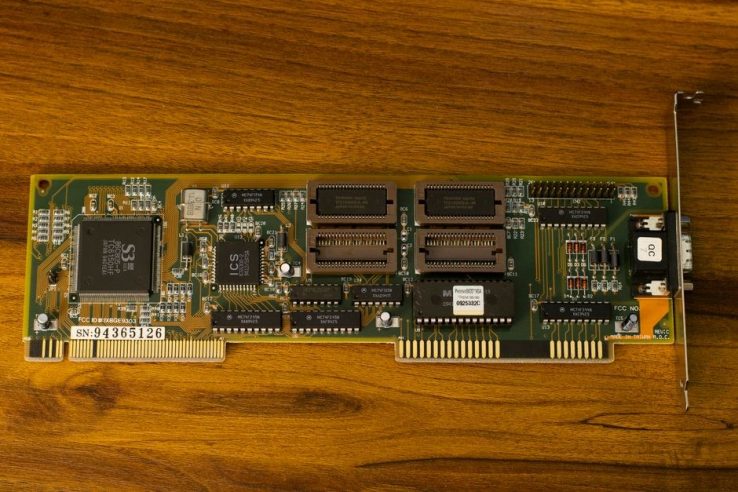
The AP‑5 houses a 318 MHz superheterodyne receiver, a microcontroller, and a 12 V DC power module․ Optional EXA‑2000 antenna extends range․ Integrated LEDs indicate power, signal, and error status․ The enclosure is IP20, with 1/4‑in․ mounting holes․ Supports 480 transmitters․

Receiver Module

The core of the Linear AP‑5 is its 318 MHz superheterodyne receiver, engineered for robust performance in residential and commercial gate applications․ The unit’s high‑gain front‑end amplifies incoming MegaCode signals, enabling reliable lock‑in from up to 500 ft in typical line‑of‑sight conditions․ Internally, the receiver incorporates a low‑noise amplifier, a band‑pass filter tuned to the 318 MHz band, and a mixer that down‑converts the signal to an intermediate frequency for subsequent demodulation․ The demodulation stage uses a robust envelope detector that extracts the binary data stream from the carrier, feeding it to the AP‑5’s microcontroller for decoding․ The controller’s firmware can store up to 480 unique transmitter codes in non‑volatile memory, allowing a single AP‑5 to support a large fleet of remote devices․ Additionally, the module supports up to six Model MGT supervised safety‑edge transmitters, which are used to trigger safety mechanisms on gate operators․ The receiver’s design includes a built‑in watchdog that monitors signal integrity and automatically resets the demodulation chain if a loss of lock is detected, ensuring continuous operation even in noisy RF environments․ Power is supplied via a 12 V DC input, with a dedicated voltage regulator that maintains stable operation across the 9‑15 V supply range․ The front panel features LEDs that indicate power status, signal strength, and error conditions, providing immediate visual feedback to installers and users․ The receiver’s firmware is updatable via a serial interface, allowing future enhancements and bug fixes without replacing hardware․ Overall, the Linear AP‑5’s receiver module delivers a blend of range, reliability, and flexibility that meets the demands of modern gate control systems․ and more․

Transmitter Compatibility

Linear AP‑5 accepts 318 MHz MegaCode remotes, the same protocol used by Linear Gate Operators; Its memory holds up to 480 unique transmitter codes, allowing a single unit to manage many residential or commercial gates․ The AP‑5 also supports six Model MGT supervised safety‑edge transmitters for emergency stop functions․ Compatible remotes include the Linear 318‑MHz MegaCode Remote, Dual‑Gate Remote, and Dual‑Door Remote․ An optional EXA‑2000 antenna can be attached to the receiver’s antenna port to extend range beyond the standard 500‑ft limit, improving performance in large yards or RF‑dense environments․ All supported transmitters use the same carrier frequency and proprietary MegaCode encoding, ensuring reliable decoding without cross‑talk․ The firmware’s safety‑edge feature automatically disables the gate when a Model MGT transmitter is detected, adding protection for operators and pedestrians․ Because the AP‑5 follows a standardized protocol, it integrates seamlessly into existing Linear gate systems, enabling upgrades without replacing the entire control architecture․

Transmitter pairing is straightforward: press the learn button on the AP‑5, then activate the remote within 30 seconds․ The receiver confirms the code via a green LED flash․ The AP‑5 displays a light during learning․ Users can also erase a transmitter by holding the learn button until the LED blinks rapidly, then re‑programming a new code․ This process ensures only authorized remotes control the gate․ Web pairing available now!

The AP‑5’s firmware can be updated, ensuring the security patches are access

Programming and Setup

The AP‑5 setup starts by mounting the receiver, connecting power, and linking to the gate actuator․ Use the USB cable to access the web interface, configure network settings, set security keys, and program remotes․ Follow prompts to add transmitter, ensuring storage․ Test․ O

Adding a Transmitter

To add a transmitter to the Linear AP‑5, power the unit and mount the receiver․ Connect the AP‑5 to your network via Ethernet or Wi‑Fi, then open a browser and navigate to the controller’s IP (default 192․168․1․1)․ Log in with the default credentials (admin/password) and change the password immediately․ In the main menu select “Transmitter Management” → “Add New Transmitter․” The AP‑5 accepts up to 480 MegaCode remotes․ Press the “Learn” button on the remote you wish to program; the controller captures the 32‑bit code․ The interface displays the code and lets you assign a name and priority․ Confirm and repeat for each remote․ After all are stored, click “Save Configuration” to write the data to memory․ Verify by pressing a remote; the gate should respond․ If it does not, check antenna placement, attach the EXA‑2000 for range, and ensure the battery is fresh․ For safety‑edge units, select “Add Safety Edge” and follow the same learn procedure․ Test each remote in the field to confirm reliable operation across the full 500‑ft range․ The receiver and antenna provide robust performance even in environments․ By following these steps, you can quickly expand your gate’s access control system while maintaining a configuration․

Configuring Multiple Transmitters

After adding each remote, the AP‑5 allows you to set priority, group, and access schedules․ In the web interface navigate to “Transmitter Settings․” Each entry shows the 32‑bit code, name, and current priority․ To change priority, click the pencil icon, enter a number (1–10, 1 highest), and save․ Grouping is useful for families: create a “Family” group, select the desired remotes, and assign the group․ The controller will treat all group members as a single access point․ For time‑based restrictions, open “Schedule” and set “Allowed Times” for each transmitter or group․ The AP‑5 supports up to 480 individual codes, so you can dedicate a subset for guests, maintenance, or service personnel․ When a new transmitter is added, the system automatically assigns the next available slot; you can manually reorder slots by dragging the list․ The controller also logs access attempts; view the “Event Log” to audit usage․ Remember to back up the configuration after any major changes by selecting “Backup” under the system menu․ This ensures you can restore the current state if the unit reboots or is replaced․ Proper configuration of multiple transmitters keeps the gate secure while providing flexible access for all authorized users․

When configuring multiple transmitters, consider the physical layout of the site․ Place the EXA‑2000 antenna on a high, unobstructed location to maximize reception․ If you have a large property, you may need to add a repeater or use the optional “Dual‑Gate” feature to split the range․ The AP‑5’s firmware allows you to assign a “Master” transmitter that can override all others; this is useful for emergency access․ To enable, go to “Advanced Settings” → “Master Override” and toggle the switch․ Test the override by pressing the master remote while other remotes are in use; the gate should respond immediately; For advanced users, the AP‑5 supports API calls via HTTP; you can script remote addition or priority changes using curl or a custom app․ The API requires authentication; use the admin credentials and include the “api_token” in the header․ Documentation for the API is available on the Linear support site․ By leveraging these features, you can maintain a robust, scalable access control system that adapts to changing personnel and security needs․

Safety Features

The AP‑5 supports up to six Model MGT supervised safety‑edge transmitters, ensuring the gate halts when an obstacle is detected․ Each edge unit is programmed into memory, providing reliable, automatic safety control for residential and commercial gates․ The unit logs safety events and can trigger alarms․

Supervised Safety Edge Transmitters

Supervised safety edge transmitters are integral to the Linear AP‑5’s safety architecture․ The controller stores up to six Model MGT edge units, each continuously monitoring the gate’s travel path for obstructions․ When an edge sensor detects an object, the AP‑5 stops the motor, reverses the gate, and logs the event․ Edge units pair wirelessly with the AP‑5 during setup, requiring a brief sequence that confirms the transmitter’s ID․ Once paired, the signal is stored in memory, allowing the system to respond to each unit independently․ Firmware prioritizes edge signals over remote commands, ensuring safety takes precedence over manual operation․ The system can trigger an audible alarm and send a diagnostic message if an edge sensor is triggered․ Edge transmitters are durable, operating in a wide temperature range and sealed to resist dust and water ingress․ For maintenance, each unit can be tested by pressing its built‑in test button, which emits a diagnostic tone that the AP‑5 confirms․ If an edge unit fails, the AP‑5 flags the fault and recommends replacement․ Proper installation mounts the edge sensors at the gate’s travel limits, ensuring a clear line of sight to the gate’s edge; The AP‑5’s safety logic includes a timeout feature: if the gate remains in motion longer than the programmed duration, the system automatically halts the motor, preventing damage․ By combining the AP‑5’s high‑gain receiver with multiple edge transmitters, users achieve a robust safety solution that meets residential and commercial standards for gate operation․ The AP‑5 logs each safety event to its internal memory, allowing technicians to incidents daily maintenance;

Installation Guidelines

Mount the Linear AP‑5 on a stable wall, ensuring the antenna is unobstructed; Connect the 12‑V supply, then wire the gate motor to the controller’s output terminals․ Follow the wiring diagram, secure all connections, and test operation․ Verify power before final test now!

Mounting and Wiring

The Linear AP‑5 should be mounted on a solid wall or post, positioned so the built‑in antenna faces clear sky to maximize reception․ Use a mounting bracket that accommodates the unit’s dimensions and includes a secure locking mechanism․ Prior to installation, verify the wall material supports the weight and that the bracket’s screws will not loosen over time․ When attaching the unit, align the antenna’s centerline with the expected direction of the transmitter to reduce signal loss․ After mounting, connect the 12‑V DC power supply to the AP‑5’s power terminals, ensuring correct polarity․ Use a shielded cable to minimize electrical noise․ Next, wire the gate motor to the controller’s output terminals․ The motor’s positive lead connects to the “+” terminal, and the negative lead to the “-” terminal․ For dual‑motor setups, use the additional output ports, labeling each wire clearly․ Verify all connections are tight and insulated․ Finally, test the system by activating a transmitter; the gate should respond promptly․ If the gate does not operate, double‑check the wiring polarity and the antenna orientation․ Proper mounting and wiring guarantee reliable performance and extend the controller’s lifespan․ Ensure the unit is protected from weather by using a weather‑proof enclosure, and keep the antenna free from obstructions such as trees or metal structures․ Regularly inspect the wiring for corrosion, and replace any damaged components promptly to maintain system reliability․ checks must be done annually․․

Power Supply Requirements

The Linear AP‑5 operates on a 12‑V supply with a minimum current rating of 2 A to accommodate peak loads during gate actuation and receiver processing․ The recommended supply is a regulated, isolated transformer or a sealed battery pack that provides a steady 12 V output with a ripple tolerance of less than 50 mV․ The unit’s power terminals are marked “+” and “–”; incorrect polarity will disable the controller and may damage internal components․ For permanent installations, a 12‑V, 2‑A or higher quality automotive high quality industrial power supply is preferred, ensuring a minimum of 2․5 A to provide headroom for future expansions or additional safety edge transmitters․ The supply should be connected through a fuse rated at 3 A, placed as close to the AP‑5 as possible, to protect against short circuits and overloads․ Wiring must use 18 AWG or larger conductors to minimize voltage drop over typical distances of up to 30 ft․ The AP‑5’s power input is designed to accept a 12‑V plug with a standard 2‑pin barrel connector; a polarized plug is required to prevent reverse polarity․ Grounding is essential: the negative terminal should be bonded to the building’s grounding system to reduce electromagnetic interference and comply with local electrical codes․ Use a 12‑V supply with current to avoid voltage sag․ The power supply must be housed in a weather‑proof enclosure with proper ventilation to prevent overheating․ Regular inspection of the power cable, connectors, and fuse is advised to maintain reliability and safety throughout the controller’s lifespan․ All connections should be tightened to prevent vibration․